
Solar Panels in Ireland
An independent guide to solar panels and solar PV systems for homes in Ireland: suitability, cost, grants, generation, batteries, exporting electricity, payback and how to compare quotations properly.
What this guide covers
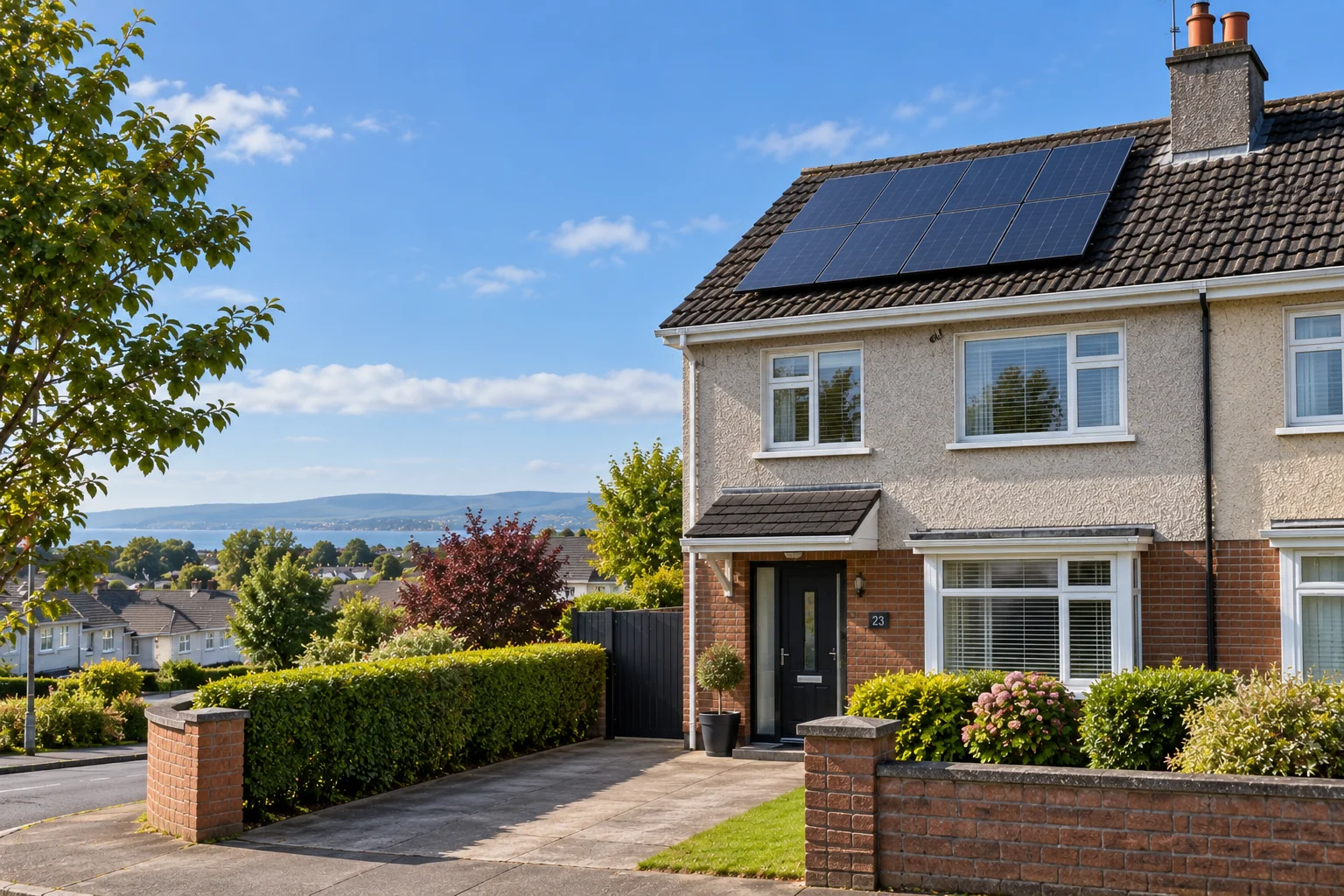
Solar panels are one of the most visible home upgrades that people in Ireland are considering, and one of the easiest subjects to find generic or repeated information about. This guide sets out what actually matters when deciding whether solar PV suits your home, what a system involves, what current grants and rules apply, and how to compare quotations properly once you are ready to talk to installers.
Is solar PV suitable for your home?
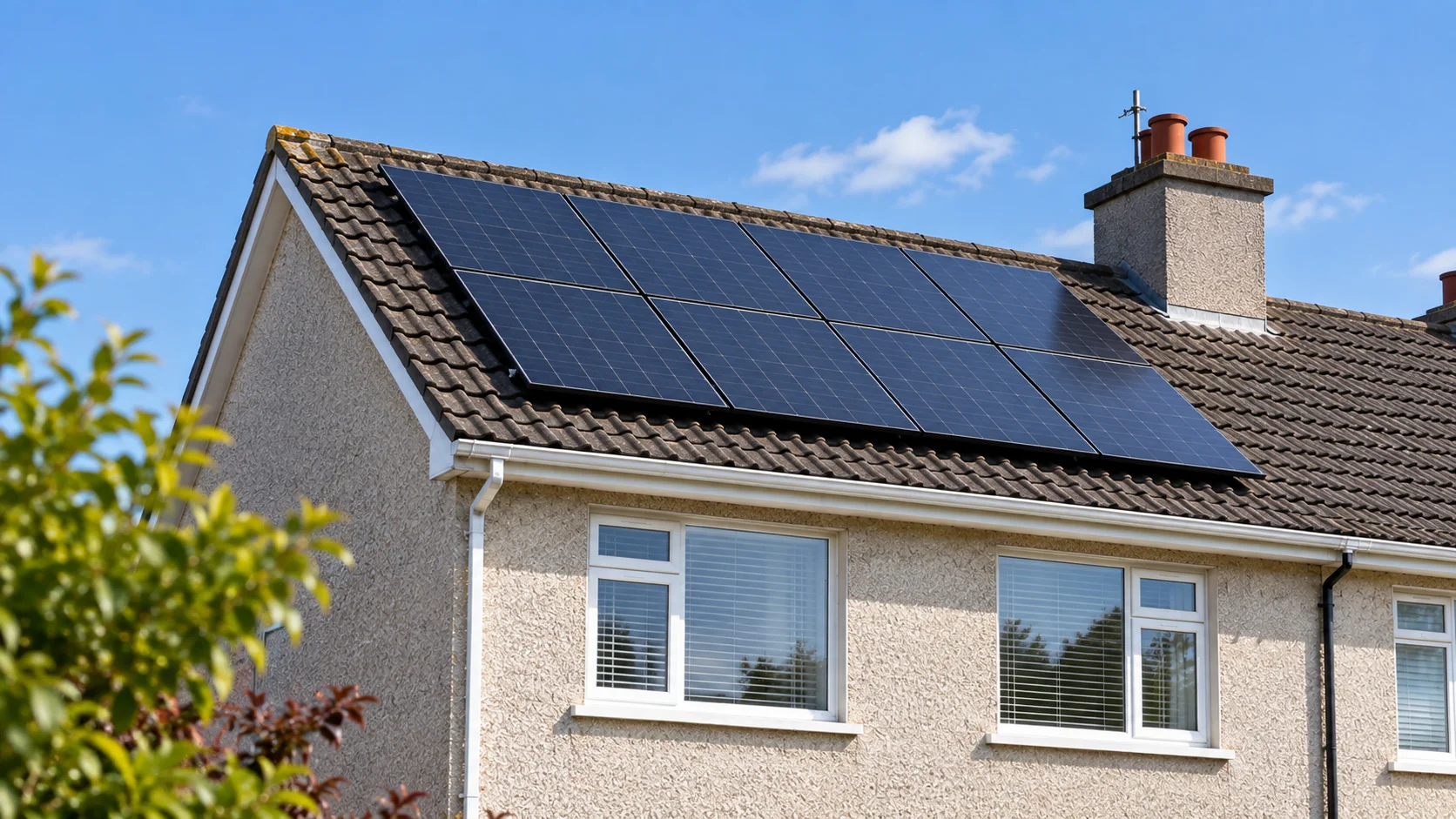
Not every roof is a good candidate for solar PV, and a few basic factors will tell you a lot before you contact anyone.
- Orientation. South facing roofs capture the most sunlight, though east and west facing roofs can still generate well, often as two smaller arrays.
- Pitch. A pitch of around 30 to 40 degrees is close to ideal in Ireland, though most ordinary roof pitches still work well.
- Shading. Chimneys, trees, nearby buildings and aerials can shade panels at certain times of day, cutting output by more than the shaded area alone would suggest.
- Available roof space. Usable area, once corners, vents and skylights are allowed for, sets the largest system that will fit.
- Roof condition. A roof needing its covering replaced soon is usually better dealt with first, since refitting panels later adds cost.
None of these factors rule solar out on their own. A reputable installer will normally confirm suitability with a proper site visit or a satellite based assessment before quoting.
What does a solar PV system include?
A typical home solar PV system is made up of a small number of components working together.
Panels
Panels, also called modules, sit on the roof and convert sunlight into direct current electricity. Systems are described by their total capacity in kilowatt peak, or kWp.
Inverter
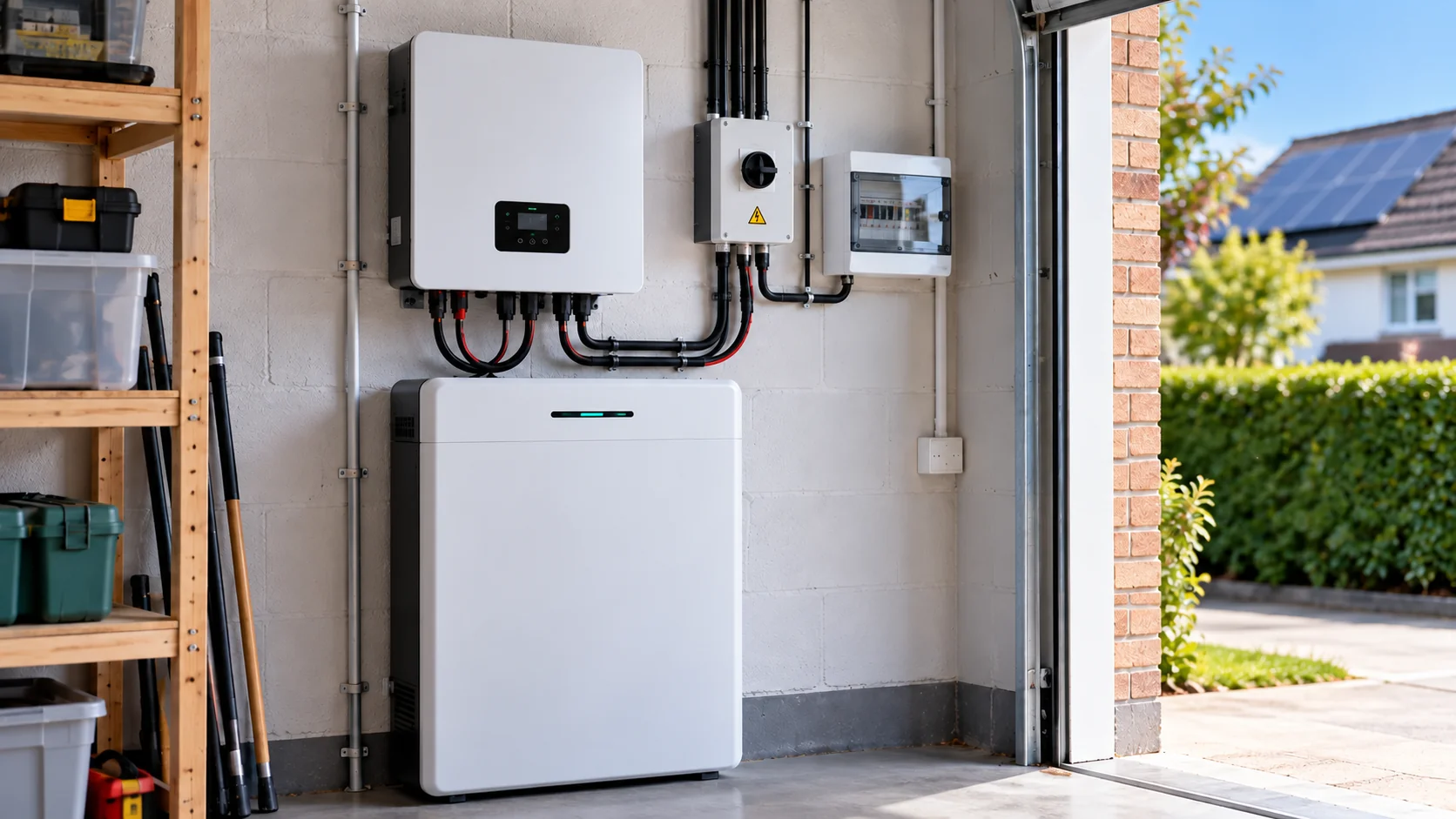
An inverter converts the direct current electricity from the panels into the alternating current electricity used in the home, and is usually fitted in an attic, garage or utility area.
Mounting and cabling
Mounting rails fix the panels to the roof structure, with cabling and a dedicated isolator connecting the system safely to the home's electrics.
Generation meter and monitoring
A generation meter, and in most cases an app or a display in the home, let you see how much electricity the system is producing.
Battery (optional)
A battery is not part of every system. It stores surplus electricity generated during the day for use later, and is covered in its own section further down this page.
How much do solar panels cost?
The cost of a solar PV system in Ireland depends on several factors, and we are not going to give you a single average figure without solid evidence behind it. What we can tell you is what actually drives the price you will be quoted.
- System size. Larger systems cost more overall, but usually cost less for each kWp of capacity.
- Equipment. Panel and inverter brand, tier and warranty length all affect price.
- Battery. Adding a battery is a substantial additional cost on top of a panel only system.
- Roof complexity. Roof height, access and whether scaffolding is needed all affect labour cost.
- Electrical work. Some homes need a consumer unit upgrade or other electrical work alongside the solar installation.
Upgrader.ie is building a dedicated guide to solar panel costs in Ireland, based on our own research into real advertised pricing. Until that research is complete and published, we are not quoting a market average cost here, since the figures currently circulating online are inconsistent and often unsourced.
Solar PV grants
The main financial support for home solar PV in Ireland is the SEAI Solar Electricity Grant. Based on currently published SEAI guidance:
- The grant is calculated at €700 per kWp for the first 2kWp of a system, then €200 per kWp up to a 4kWp limit, giving a maximum grant of €1,800.
- Support only applies to the first 4kWp of a system. A larger system can still be installed, it simply will not receive extra grant support beyond that point.
- The installation must be carried out by a solar PV installer registered with SEAI.
- Grant approval needs to be confirmed before work starts, so the usual order is get quotes, apply for a grant offer, then proceed once that offer is in place.
- A Building Energy Rating assessment completed after the works, by an assessor registered with SEAI, is required before the grant is paid. There is currently no minimum rating that the home needs to achieve.
- Since May 2023, the combined supply and installation of solar panels for a private home in Ireland has qualified for the zero rate of VAT, based on Revenue guidance. Buying panels only, without installation, is charged at the standard VAT rate.
Eligibility also depends on factors such as when the home was built and occupied, and whether a grant has already been used at the address. Because scheme details can change, always confirm your own eligibility and the current grant amount directly with SEAI before assuming a grant applies to your home.
How much electricity can solar PV generate in Ireland?
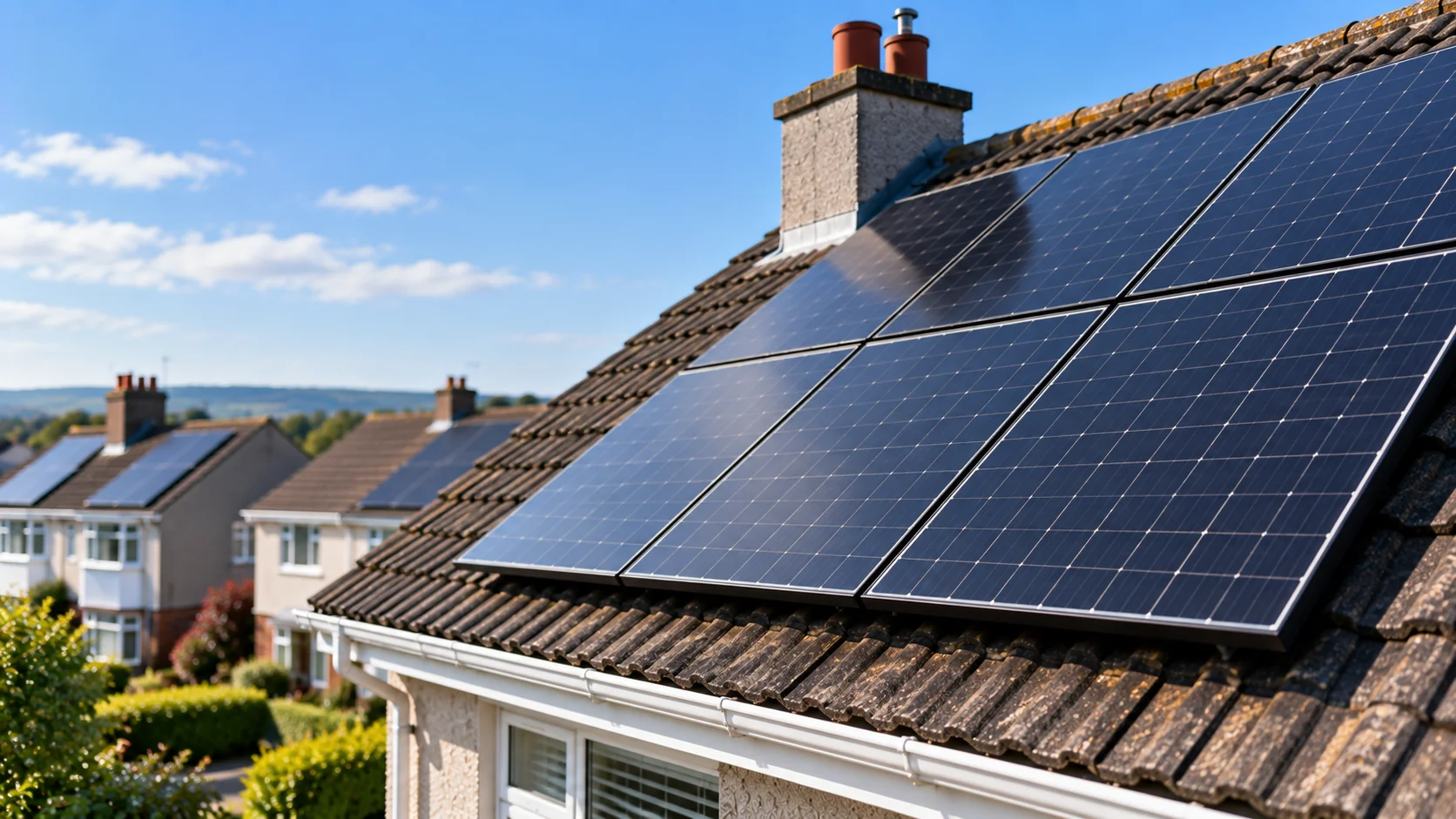
How much electricity a system generates depends on its size, orientation, pitch and shading, but SEAI's own homeowner guidance gives a useful reference point. A well positioned 3kWp system is guided to generate around 2,600kWh of electricity a year in Ireland, equivalent to more than 40% of a typical home's annual electricity use.
Generation is highly seasonal. Around three quarters of a system's annual output is typically produced between May and September, since panels only generate during daylight hours and Irish daylight is shorter and weaker in winter. This pattern matters when thinking about how much of your own generation you can actually use, and whether a battery could help, covered next.
Orientation, pitch, shading, panel efficiency and the specific weather in a given year can all move actual generation up or down from any guide figure. Treat this as a starting reference, not a prediction for your own roof.
Choosing the right system size
It is tempting to assume that a bigger system is always better, but that is not automatically true. A system that generates far more electricity than a home ever uses will export a large share of its output, and export income is generally lower than the value of electricity you use directly yourself. The SEAI grant also only supports the first 4kWp of a system, so a much larger system costs more without extra grant support.
A more useful starting point is your own household electricity consumption, ideally checked over a full year to capture seasonal variation, and when in the day you tend to use the most electricity. A good installer should be able to talk through appropriate sizing for your usage, rather than defaulting to the largest system your roof can fit.
Solar batteries
A battery stores surplus electricity generated during the day so it can be used later, typically in the evening when a household's electricity use is often highest but generation has stopped.
A battery is not automatically worthwhile for every household. It tends to help most where you are often out during the day and would otherwise export most of your generation. It makes less difference where you are home during the day and already use most of what you generate.
Capacity, cost, warranty and your electricity tariff all affect whether a battery is worthwhile in your case. Upgrader.ie plans a dedicated batteries guide covering this in more depth.
Selling electricity back to the grid
Electricity your system generates but your home does not use can be exported to the grid. Under the Clean Export Guarantee, a framework set by the Commission for Regulation of Utilities, electricity suppliers are required to pay customers for electricity they export beyond their own use.
The regulator sets the framework, but each electricity supplier sets its own export rate, and rates vary between suppliers and change over time. Because of this, we are not quoting specific supplier rates on this page. Check current export rates directly with your own electricity supplier, or compare suppliers when choosing one.
A smart meter records the amount of electricity you export and allows your supplier to pay you based on actual exports. Some eligible homes without a smart meter may instead receive a payment based on a calculated deemed export amount. Check the current arrangements with your electricity supplier.
Solar PV payback
You will see plenty of confident claims online about solar panels paying for themselves in a fixed number of years. Treat any single number with real caution, because payback depends on several things at once, and changing any one of them can move the result significantly.
- Installation cost, and how much of that is offset by a grant.
- How much electricity the system actually generates on your specific roof.
- How much of that generation you use directly in your home, rather than exporting it.
- Your electricity unit price, which affects how much each unit of electricity you use yourself is worth.
- The export rate your supplier pays for surplus electricity.
- Whether a battery is included, and what it cost.
Rather than give you another single number, we built the tool below so you can change these assumptions yourself and see an indicative result.
Solar Payback Explorer
Enter your own figures below. The grant and generation fields fill in automatically using published SEAI figures, and you can overwrite either of them.
Have your solar quotation and latest electricity bill ready. Use the figures from these documents below. Where you do not have a figure, the calculator provides an indicative starting point where possible.
Planning considerations
Since October 2022, planning rules for domestic rooftop solar in Ireland have been significantly relaxed. Based on current regulations:
- Homes generally no longer face an area limit for rooftop solar. Panels can cover the whole roof without needing planning permission, in most cases.
- An exception applies within 43 designated solar safeguarding zones, mostly around airports, aerodromes and other sites with helipads, where installations above 300 square metres need planning permission, due to aviation safety considerations around glare.
- Protected structures, proposed protected structures, and buildings within an architectural conservation area are treated differently. Work that would materially affect the character of the structure or area is not automatically exempt, and may need planning permission or a formal exemption declaration from the local council.
Planning rules can be technical and site specific. If your home falls into any of the categories above, or you are simply unsure, check with your local planning authority before proceeding.
What happens during installation?
A realistic overview of the journey from quotation to a working system.
Every project varies, but most home solar PV installations in Ireland follow a broadly similar sequence, from an initial site assessment through to a working, monitored system.
Quotes and site assessment
Get quotes from more than one installer, ideally including a proper site visit or a satellite based survey rather than a price given over the phone.
Grant application
Once you have chosen an installer and a system, a grant application is made to SEAI and confirmed before work begins.
Notifying ESB Networks
Your installer arranges the required notification to ESB Networks, since most home systems, generally up to 6kVA on a standard single phase supply, connect through a straightforward process.
Installation day
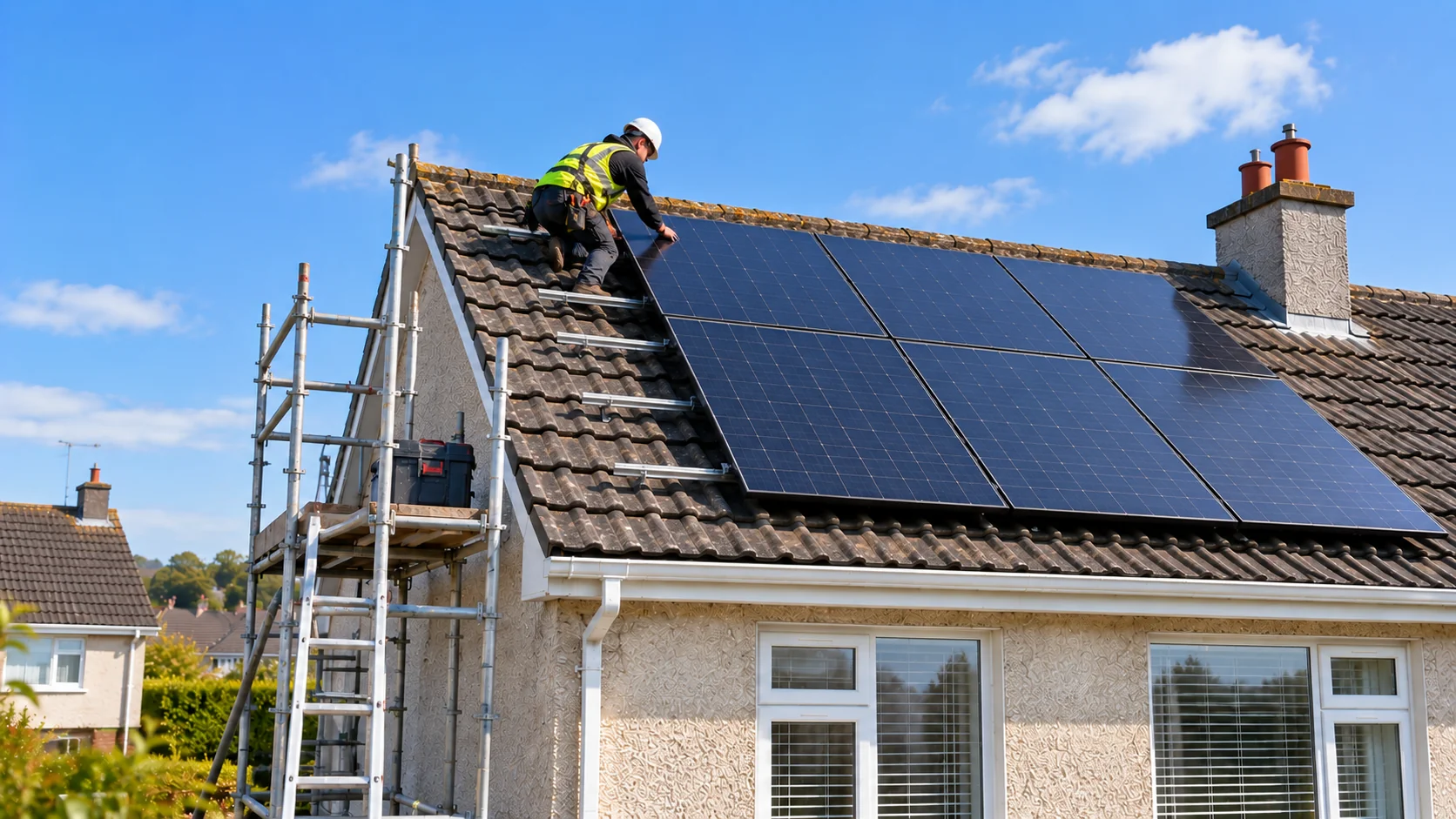
Panels, mounting and cabling are fitted, often within a day or two for a typical home system, followed by the inverter and any battery.
Electrical work and testing
The system is wired into your home's electrics, tested, and switched on.
Post works BER
A Building Energy Rating assessment is completed after the works and published, which is required before your grant is paid.
Ongoing monitoring
Most systems include an app or a home display, so you can see what the system is generating over time.
How to compare solar PV quotations
Two quotations for what looks like a similar system can vary a lot in price, and the difference is often explained by what is, and is not, included. Before comparing prices, make sure you can answer the following for each quotation.
Upgrader.ie does not rank, rate or recommend individual installers. This checklist is here to help you ask the right questions and compare answers, not to tell you which company to choose.
Frequently asked questions
Do I need planning permission for solar panels?
Since October 2022, most homes in Ireland can install rooftop solar panels without planning permission, and there is generally no limit on the roof area that can be covered. Exceptions apply within designated solar safeguarding zones near airports and similar sites, and for protected structures or buildings in an architectural conservation area. See Planning considerations above.
Do I need a battery with my solar PV system?
Not necessarily. A battery tends to be more worthwhile for a household that is often out during the day and would otherwise export most of its generation. It tends to make less difference for a household that is home during the day and already uses most of what it generates. See Solar batteries above.
How much is the SEAI grant for solar panels?
Based on current SEAI guidance, the grant is calculated at €700 per kWp for the first 2kWp, then €200 per kWp up to a 4kWp limit, giving a maximum grant of €1,800. Always confirm the current amount and your own eligibility directly with SEAI.
How long does a solar PV installation take?
The physical installation is often completed within a day or two for a typical home system. The overall process, including grant approval, notifying ESB Networks and completing a Building Energy Rating assessment after the works, generally takes longer.
Does Upgrader.ie install solar panels?
No. Upgrader.ie is an independent information resource. We do not install solar PV systems, and we do not currently have installer partnerships.
What the latest figures suggest
10,000+
Solar PV grant applications, Q1 2026
Department of Climate, Energy and the Environment, 21 April 2026
Demand is accelerating
More than 10,000 applications for the SEAI Solar PV grant were processed in the first quarter of 2026 alone, up 65 percent on the same period in 2025, according to the Department of Climate, Energy and the Environment. At a maximum grant of €1,800 per application, that quarter of activity represents a significant volume of installer work moving through the system. It suggests that the practical questions covered on this page, suitability, sizing, batteries and comparing quotations properly, are relevant to a fast growing number of households right now, not a small group of early adopters.
Ready to talk to installers?
If you feel informed enough to take the next step, you can search for solar PV installers in Ireland and contact the ones that interest you directly.
- Browse installers by upgrade type and county
- Review company details before you get in touch
- Contact installers directly, with no obligation and no middleman
Upgrader.ie is an independent information resource. We do not currently have installer partnerships, and listing a company does not imply endorsement or vetting. See our Provider & Partnership Disclosure.